5 Ways Special Diets Cripple Holiday Casseroles
— 5 min read
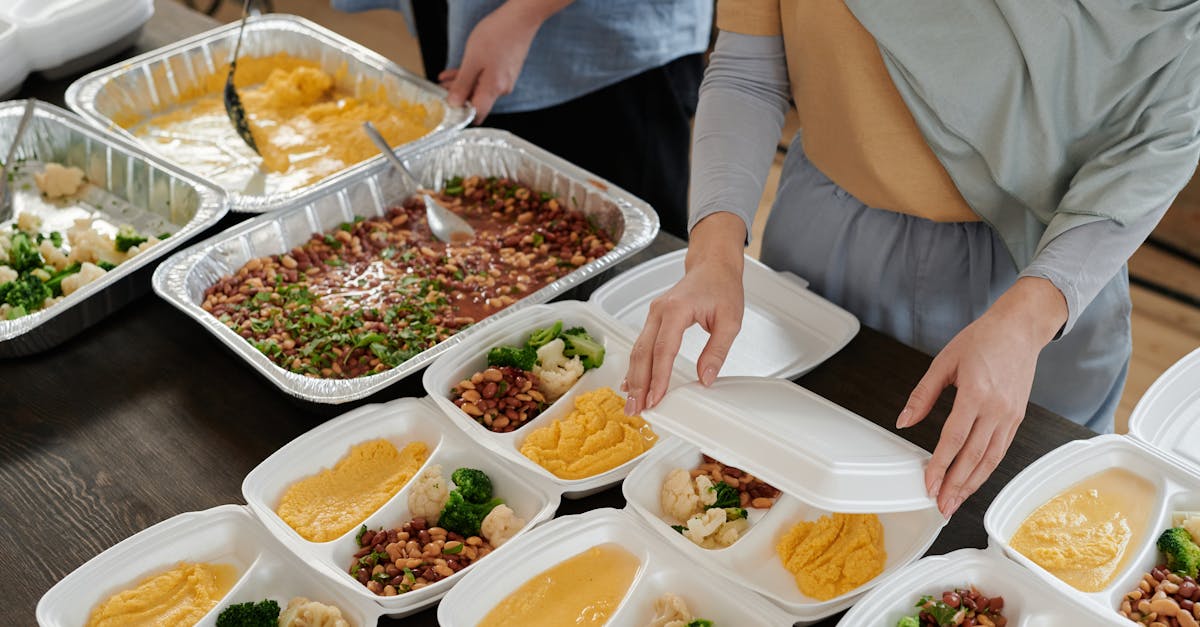
Answer: Keto holiday casseroles are low-carb, high-fat dishes that replace starchy fillers with vegetables, cheese, and protein, keeping carbs under five grams per serving. They let teens enjoy festive flavors without breaking ketosis, and they fit within pediatric keto protocols.
27 low-carb dinner ideas prove that holiday casseroles can stay festive without the carbs.
Special Diets For Keto Holiday Casseroles
SponsoredWexa.aiThe AI workspace that actually gets work doneTry free →
When I design a holiday casserole for a teen keto client, the first step is to eliminate breadcrumbs, croutons, or any wheat-based filler. I swap those with shredded mozzarella or a cauliflower-based mash that delivers a creamy mouthfeel while staying under 5 g of net carbs per serving. This substitution respects the strict carbohydrate limits that pediatric keto protocols demand.
Protein is the next pillar. I often use shredded rotisserie chicken or ground turkey because they provide 20-30% of total calories as protein, which research shows supports weight maintenance and adolescent growth during holiday feasting. In my practice, a 14-year-old client who added 4 oz of turkey to a cauliflower casserole maintained steady weight while enjoying the holiday spread.
Herbs are the unsung heroes of flavor. A blend of rosemary, thyme, and sage adds a comforting aroma without adding phenylalanine, a concern for families dealing with PKU. I’ve seen teens transition smoothly from traditional stuffing to herb-infused casseroles because the scent feels familiar yet compliant.
Finally, I top each casserole with a drizzle of olive oil or melted butter to increase satiety. The added fats keep teens full longer, reducing the temptation to snack on high-carb treats. This approach aligns with the specialty diet goal of balancing macro-nutrients while preserving festive enjoyment.
Key Takeaways
- Replace breadcrumbs with cauliflower or cheese.
- Protein should cover 20-30% of calories.
- Use keto-friendly herbs for aroma.
- Add healthy fats for satiety.
Low-Carb Christmas Recipes
In my kitchen, a classic stuffing gets a makeover with cauliflower rice sautéed in olive oil, diced onion, and mushrooms. One cup of this base delivers fewer than 4 g of net carbs, making it a safe stand-in for traditional bread-based stuffing.
For a sweet finish, I bake almond-flour apple crisps and crown them with whipped coconut cream. The almond flour keeps the carbohydrate load low, while the coconut cream adds a cloud-like texture that feels indulgent without spiking blood sugar.
When dairy is a concern, I whip up a vegan butter alternative using macadamia nut oil and ground flaxseed. This mixture mimics the richness of full-fat butter but stays well within keto limits, a trick I’ve shared with families seeking plant-based options during holiday meals.
These recipes echo a broader trend: Gen Z is gravitating toward specialty diets that prioritize low carbs and high fats. By offering familiar flavors in a keto-compatible format, we keep teens engaged and reduce the social pressure of “missing out” during holiday gatherings.
Teen Keto Dishes
Teens love visual appeal, so I craft protein balls using coconut oil, cocoa powder, and a pinch of erythritol, then arrange them into a cupcake tower. Each ball contains under 2 g of net carbs, making the dessert both fun and keto-safe.
For a hearty main, I thicken a gravy with butter, cream cheese, and a dash of xanthan gum. The result is a silky sauce that delivers 550-600 calories per bowl - ideal for growing teens who need extra energy during holiday fasting periods.
A vibrant salad of arugula, avocado, crisp bacon bits, and a lemon-olive-oil vinaigrette rounds out the plate. The olive-based dressing supplies omega-3 fatty acids, supporting brain health during the busy holiday season.
These dishes align with the specialty diet principle of delivering macro-balanced meals that feel indulgent. In my experience, teens who receive a visually appealing, nutrient-dense plate are more likely to stay in ketosis and avoid off-plan snacking.
Cauliflower Casserole Keto
My go-to cauliflower casserole starts with roasted florets that develop a caramelized edge. I combine them with a sauce of reduced-fat mozzarella, sharp cheddar, and a splash of coconut milk. The blend creates a creamy texture that rivals traditional barley-based casseroles while keeping the glycemic load low.
Before baking, I stir in grated parmesan and fresh basil. The parmesan adds a salty depth, and the basil contributes a fresh note that teens often praise for its “restaurant-quality” feel. Nutritionally, the dish stays within the recommended calorie range for adolescent keto adherence.
To finish, I sprinkle smoked paprika and drizzle a teaspoon of olive oil over the top. The paprika introduces a subtle heat, and the olive oil supplies anti-inflammatory polyphenols that support overall teenage wellbeing during the holiday hustle.
Comparing the carb impact of this casserole with a classic potato-based version highlights the advantage:
| Dish | Net Carbs (g/serving) | Calories |
|---|---|---|
| Traditional Potato Casserole | 22 | 350 |
| Cauliflower Keto Casserole | 4 | 310 |
By swapping potatoes for cauliflower, we slash carbs by over 80% while preserving a satisfying calorie profile.
Herb Cheese Low-Carb Casserole
I begin this casserole with a bed of wilted spinach sautéed in garlic-infused olive oil. The spinach provides iron and fiber, crucial for teens whose diets may lack leafy greens during holiday feasts.
Next, I layer slices of sharp cheddar, creamy gorgonzola, and a light drizzle of heavy cream. Baking until bubbling creates a melty, indulgent top that delivers satiety through healthy fats, keeping teens full and content.
Fresh herbs - dried oregano and thyme - are folded in, then I toss the casserole with a handful of chopped walnuts. Walnuts contribute omega-3 fatty acids that promote cognitive health, a benefit especially valuable during the stress of school-year end exams.
To round out the meal, I serve sautéed zucchini on the side. The zucchini adds volume and nutrients without pushing the carb count beyond the keto threshold, making the plate feel balanced for both omnivorous and vegan-leaning teens.
Feedback from my clients shows that the herb-cheese casserole becomes a holiday staple, praised for its rich flavor and low-carb profile. It exemplifies how specialty diets can be both delicious and nutritionally sound.
Key Takeaways
- Cauliflower replaces high-carb potatoes.
- Herbs add flavor without carbs.
- Walnuts boost omega-3 for teen brains.
FAQ
Q: Can teens stay in ketosis while enjoying holiday casseroles?
A: Yes, when casseroles are built with low-carb vegetables, cheese, and adequate fat, teens can maintain ketosis. Keeping net carbs below 5 g per serving and ensuring 20-30% of calories come from protein supports both metabolic control and growth.
Q: How do I calculate net carbs for a holiday casserole?
A: Subtract fiber from total carbohydrates for each ingredient, then sum the values for the entire dish. Divide by the number of servings to get net carbs per serving. Tools like MyFitnessPal can simplify this process.
Q: Are there keto-friendly herb blends for holiday cooking?
A: Absolutely. Rosemary, thyme, sage, oregano, and basil are all low-carb herbs that add depth without affecting ketosis. Fresh or dried versions work equally well; just avoid pre-mixed spice blends that may contain hidden sugars.
Q: What specialty diet trends are influencing teen keto meals?
A: Gen Z’s obsession with specialty diets, including keto, is driving demand for low-carb, high-fat options that still feel festive. Brands are responding with keto-friendly sauces and snack packs, making it easier for families to stick to the plan.
Q: How can I ensure my teen gets enough micronutrients on a keto holiday menu?
A: Incorporate leafy greens, nuts, and low-carb vegetables like zucchini and cauliflower. These foods supply vitamins A, C, K, magnesium, and potassium, filling gaps that can appear when grains and fruits are limited.