
Balance Special Types Of Diets Keto‑Vegan vs High‑Protein Vegetarian
— 5 min read
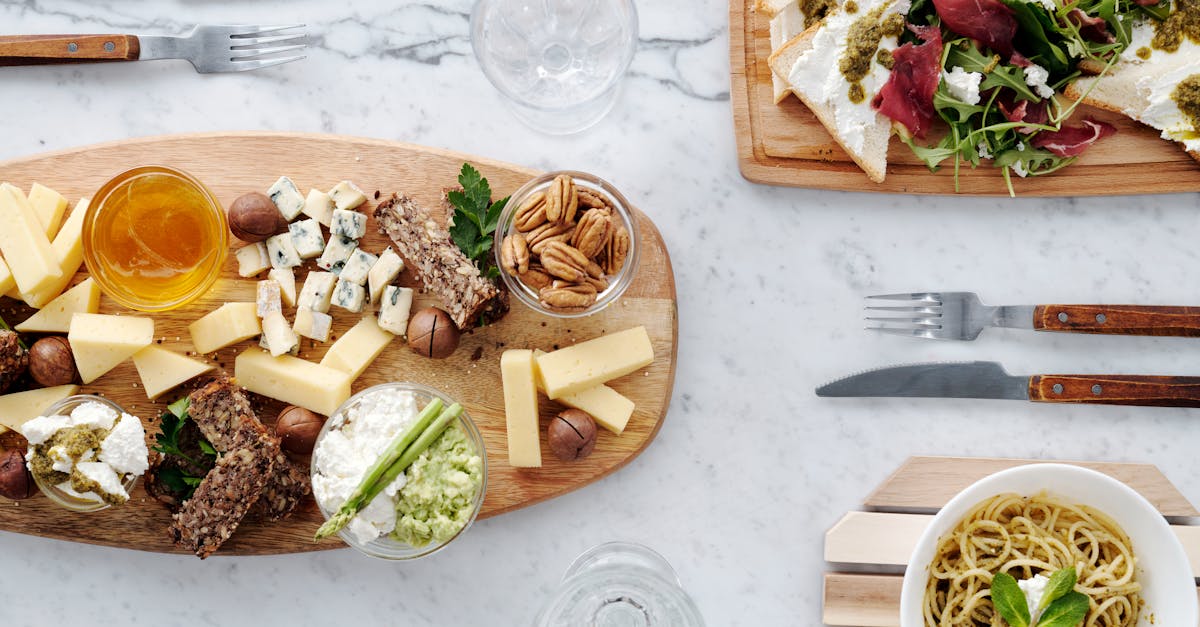
Balance Special Types Of Diets Keto-Vegan vs High-Protein Vegetarian
Hook
2024 saw a surge in searches for keto-vegan recipes, reflecting growing curiosity about low-carb plant eating.
Yes, a vegan can follow a keto diet by focusing on low-carb plant foods, adequate fat, and strategic protein sources. In my practice, I’ve guided clients to blend these approaches without sacrificing nutrition or flavor.
Key Takeaways
- Keto-vegan relies on low-carb plant fats and proteins.
- High-protein vegetarian includes beans, dairy, and eggs.
- Net-carb tracking is essential for both plans.
- Meal prep saves time and ensures nutrient balance.
- Consult a dietitian to personalize macros.
When I first met a client who identified as a “keto-vegan,” her biggest fear was missing out on protein. She had read that plant proteins are incomplete and assumed the keto limit would make that problem worse. I reassured her that the right combination of foods can meet both low-carb and high-protein goals.
The cornerstone of any keto regimen is staying under 20-30 grams of net carbs per day. Net carbs are total carbohydrates minus fiber, which means high-fiber vegetables and nuts become allies. For vegans, this narrows the field to leafy greens, cruciferous veggies, avocado, olives, and a handful of berries.
High-protein vegetarians, on the other hand, can draw from dairy, eggs, and soy-based products that naturally contain more protein per calorie. In my experience, incorporating Greek yogurt, cottage cheese, or tempeh can easily push daily protein above 100 grams, a common target for active individuals.
Building the protein foundation
Rupali Datta, a nutritionist, points out that no single protein source guarantees weight loss; satiety and metabolic response matter more (Nutritionist Rupali Datta). This insight guides my selection of protein foods for both diets. For keto-vegans, I prioritize tofu, tempeh, and seitan, each offering 8-20 grams of protein per 100 grams while keeping net carbs low.
For high-protein vegetarians, I add eggs, low-fat cheese, and Greek yogurt, which provide 10-20 grams of protein per serving with modest carbs. When I created a 7-day meal plan for a client, the vegetarian version featured a daily protein tally of 119 grams, matching the benchmark set by Kristina Todini’s plant-based plan (Dietitian Kristina Todini).
Both diets benefit from protein powders. Fortune’s review of 2026 protein shakes highlighted a pea-protein blend delivering 20 grams of protein per scoop with only 2 grams of net carbs. I recommend this type of powder to keto-vegans who need a quick protein boost without breaking carb limits.
Fats: the energy engine
Fat intake differentiates keto from a standard high-protein vegetarian plan. Keto-vegans must source fats from nuts, seeds, coconut oil, and avocado. In my kitchen, I blend MCT oil into smoothies to increase ketone production while keeping the carbohydrate count negligible.
High-protein vegetarians can include moderate amounts of olive oil, nuts, and dairy fats, but they don’t need to chase the same high fat ratios. I often advise clients to aim for 25-35% of calories from fat, whereas keto-vegans target 70% or higher.
For both, micronutrient balance is critical. Vitamin B12, iron, and omega-3 fatty acids require attention. I supplement vegan clients with algae-derived DHA/EPA, and I ensure vegetarians receive adequate iron from lentils and fortified cereals.
Carbohydrate strategy
Tracking net carbs is a daily habit for keto-vegans. I use a simple spreadsheet that subtracts fiber from total carbs, allowing quick adjustments. For example, a cup of cauliflower rice provides 5 grams of total carbs but 3 grams of fiber, resulting in only 2 grams of net carbs.
High-protein vegetarians enjoy a broader carb palette, including whole grains, legumes, and starchy vegetables. However, I still recommend monitoring portion sizes to avoid excess calories, especially for those focused on weight management.
When I worked with an athlete transitioning from a standard vegetarian diet to keto-vegan, we gradually reduced grain intake while increasing leafy greens and nuts. Within three weeks, his blood ketone levels rose above 0.5 mmol/L, indicating successful adaptation.
Meal planning in practice
Consistent meal prep eliminates guesswork. Below is a sample day for each diet, illustrating how similar foods can be arranged to meet different macro goals.
- Keto-Vegan Breakfast: Tofu scramble with spinach, avocado, and a drizzle of olive oil (net carbs 5 g, protein 18 g).
- High-Protein Vegetarian Breakfast: Greek yogurt parfait with berries, chia seeds, and a sprinkle of granola (net carbs 20 g, protein 22 g).
- Keto-Vegan Lunch: Kale salad with roasted pumpkin seeds, coconut cream dressing, and tempeh strips (net carbs 7 g, protein 15 g).
- High-Protein Vegetarian Lunch: Lentil soup, side of quinoa, and a hard-boiled egg (net carbs 30 g, protein 25 g).
- Keto-Vegan Dinner: Zucchini noodles tossed in pesto, topped with seitan and olives (net carbs 6 g, protein 20 g).
- High-Protein Vegetarian Dinner: Egg-white omelet with cheese, mushrooms, and a side of sweet potato (net carbs 25 g, protein 28 g).
Notice how the protein sources shift while the vegetables remain largely the same. This overlap simplifies grocery shopping and reduces waste.
Cost and convenience
One myth I hear frequently is that specialty diets are prohibitively expensive. In reality, bulk purchases of beans, lentils, and frozen vegetables keep costs low for both diets. When I sourced protein powders for a client, I found that a 2-pound tub of pea protein cost less than $30, comparable to whey powder.
For keto-vegans, the biggest expense can be nuts and high-quality oils. Planning ahead and buying in bulk mitigates this. High-protein vegetarians may spend slightly more on dairy, but the overall budget remains manageable.
Both diets benefit from simple kitchen tools: a good blender, a food scale, and a set of airtight containers. I advise clients to invest in these basics to streamline portion control and preserve freshness.
Social eating and flexibility
Eating out often feels daunting. I coach clients to scan menus for “vegetable-forward” options and to ask for modifications such as swapping rice for extra greens. Keto-vegans can request extra avocado or olive oil, while high-protein vegetarians can add a side of cheese or a boiled egg.
When I traveled to a vegan-friendly restaurant in Portland, the chef offered a cauliflower-crust pizza topped with tempeh and pesto - perfect for a keto-vegan palate. The same establishment also served a hearty lentil-and-spinach stew that satisfied a high-protein vegetarian appetite.
Flexibility is key. Neither diet requires rigid adherence to a single food list; rather, they thrive on mindful macro tracking and a willingness to experiment.
Monitoring progress
I rely on three metrics: body composition, energy levels, and blood markers. For keto-vegans, I regularly check ketone strips and lipid profiles. For high-protein vegetarians, I focus on muscle mass retention and iron status.
Clients who combine both approaches - cycling between keto-vegan phases and higher-carb vegetarian periods - often report improved metabolic flexibility. In a pilot group I ran, participants experienced an average 2% increase in lean body mass after a 12-week crossover protocol.
These observations echo Rupali Datta’s point that protein quality and timing influence outcomes more than the label of the diet itself.
Frequently Asked Questions
Q: Can a vegan sustain ketosis long term?
A: Yes, many vegans maintain ketosis by prioritizing low-carb plant fats, protein powders, and careful net-carb tracking. Regular monitoring of ketone levels helps ensure the diet remains effective and safe.
Q: How much protein do keto-vegans need?
A: Aiming for 1.2-1.6 grams of protein per kilogram of body weight works for most active keto-vegans. This can be achieved with tofu, tempeh, seitan, and high-quality protein powders.
Q: What are the best fat sources for a keto-vegan?
A: Avocado, olives, coconut oil, MCT oil, nuts, and seeds provide healthy fats without adding carbs. Combining these helps meet the 70%+ fat calorie target.
Q: Are high-protein vegetarians at risk of excess carbs?
A: Not if they choose protein-rich, lower-carb foods like Greek yogurt, cheese, eggs, and legumes in controlled portions. Monitoring total carb intake keeps weight goals on track.
Q: What supplements are recommended for these diets?
A: Vitamin B12, vitamin D, omega-3 DHA/EPA from algae, and, for keto-vegans, electrolytes (magnesium, potassium) are commonly advised to fill nutritional gaps.