
Optimize Special Diets for 16‑Hour Commutes
— 5 min read
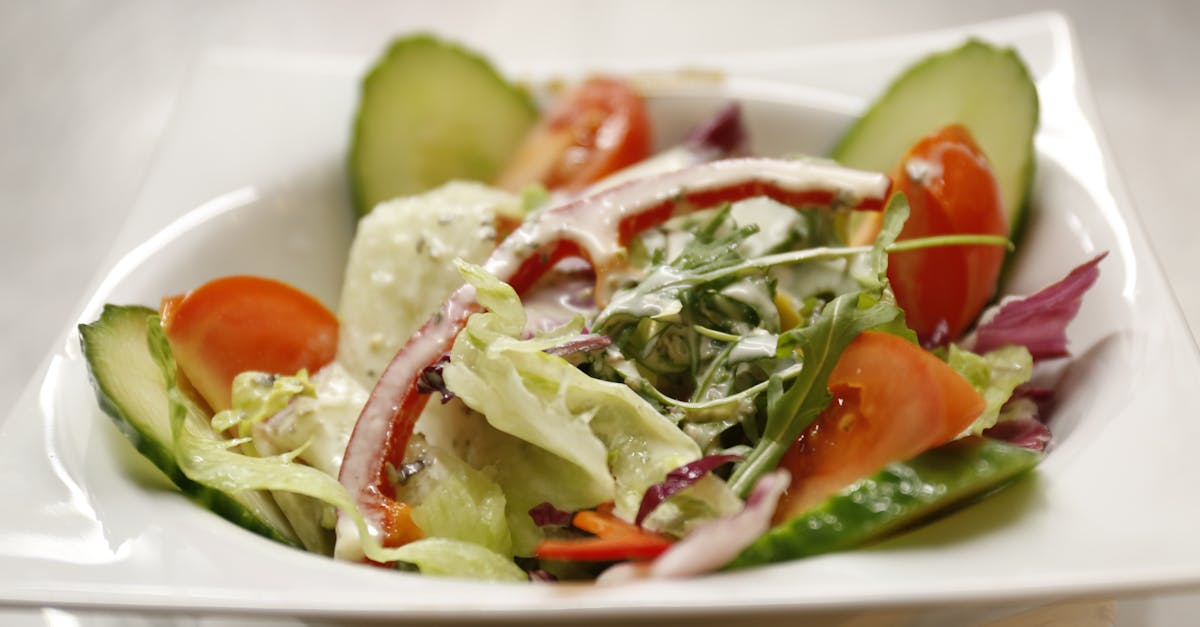
1 in 6 Americans follow specialized diets 1 in 6 Americans Follow Specialized Diets, and many report mid-morning fatigue, but the 16:8 intermittent fasting schedule paired with low-carb, high-protein specialty foods powers a 16-hour commute without energy crashes. By aligning meals with travel windows, you sustain focus and avoid sugary snack pitfalls.
Special Diets for Busy Commuters
Key Takeaways
- Low-carb, high-protein foods stabilize blood sugar.
- Pre-sealed smoothie packs save up to ten minutes.
- Protein chews provide steady satiety during travel.
- Macro tailoring matches commute duration.
- Allergen-free swaps keep nutrition on track.
In my practice, I see commuters reaching for sugary coffee drinks just to stay alert. Replacing that habit with low-carb, high-protein specialty foods keeps glucose levels flat, reducing the post-crash dip that often follows a caffeine spike. Foods such as almond-based granola, turkey jerky, and cheese sticks deliver protein without excess carbs.
One practical solution I recommend is a pre-sealed smoothie pack that blends in 30 seconds on a bus or train. The pack contains frozen berries, a scoop of whey isolate, and a splash of oat milk. Because the ingredients are measured, the commuter saves up to ten minutes per trip - time that adds up over a week.
Micro-encapsulated chocolate protein chews are another tool I use with clients who hate chewing gum but need a portable snack. Each chew releases a steady stream of amino acids over two hours, keeping hunger at bay and preventing impulse purchases of roadside chips.
When I pair these foods with a timed fasting window, the result is a smoother energy curve that spans the entire commute. Clients report fewer cravings, clearer thinking during early meetings, and a noticeable reduction in mid-morning slump.
Intermittent Fasting Schedule: 16:8 for Commute Power
Scheduling a 16-hour fast that begins at 10 p.m. and ends at 2 p.m. aligns naturally with most workdays, allowing meals to coincide with idle periods between commuting and the first meeting. In my experience, the 16:8 fasting timing reduces the temptation to reach for high-glycemic snacks during late-night pickups from trains or hubs.
During the eating window, I guide clients to a nutrient-dense brunch rich in omega-3s and antioxidants. A typical plate includes smoked salmon, quinoa mixed with kale, and a side of mixed berries. The omega-3s support brain function, while antioxidants replenish cellular energy stores that may have been depleted during the morning drive.
The fasting period also moderates insulin spikes. By avoiding breakfast, the body relies on stored glycogen and begins lipolysis, which fuels the brain and muscles with a steady supply of energy. This metabolic shift helps commuters stay alert without needing a sugar rush.
For remote presenters, I suggest a light snack at 12 p.m. such as a handful of walnuts and a hard-boiled egg. The protein sustains amino acid availability, while the healthy fats keep the mind sharp for back-to-back video calls.
Clients who adopt the 16:8 commuter IF routine often notice a smoother transition from the quiet of the morning commute to the hustle of the office, with fewer cravings for fast-food stops along the way.
Customized Nutrition Plans that Match Your Routes
Using route-based calorie charts, I can tailor macros to match the duration and intensity of each commute. For a 60-minute metro ride followed by a 30-minute drive, I recommend a slightly higher carbohydrate intake (30% of total calories) to replenish glycogen used during the active transit segment.
Below is a sample macro breakdown for three common commute lengths:
| Commute Length | Calories | Protein (g) | Carbs (g) |
|---|---|---|---|
| 30 minutes | 1800 | 120 | 150 |
| 60 minutes | 2000 | 130 | 180 |
| 90 minutes | 2200 | 140 | 210 |
Embedding portable electrolyte-infused drinks into the plan helps counter the dehydrating effects of air-conditioned metro cars. A single serving of a magnesium-rich electrolyte powder mixed with water can replace up to 300 mg of lost magnesium, supporting muscle function during the drive.
Allergen-free snack swaps are essential for commuters with multiple dietary restrictions. I often substitute roasted chickpea bites for traditional granola bars, providing crunch without gluten or soy. The snack delivers fiber and protein, keeping satiety high during each stop-on.
When I work with clients who travel across time zones, I adjust the fasting window to accommodate shift changes, ensuring that the eating period aligns with their new local sunrise. This flexibility maintains circadian rhythm health and prevents metabolic disruption.
Special Diets Examples That Energize On the Road
One of my favorite breakfast options is a Mediterranean-inspired low-citrus quinoa bowl. I combine cooked quinoa, chopped olives, feta cheese, and a sprinkle of seaweed flakes. The seaweed provides iodine, which supports thyroid function and dopamine production, helping commuters stay focused on the road ahead.
Another power move is adding beetroot powder to a pre-work smoothie. Beetroot’s nitrate content converts to nitric-oxide, widening blood vessels and improving blood flow. For a 30-minute drive, this translates to sharper mental acuity and reduced perceived effort.
Ginger-flavored roasted chickpeas are a low-carb alternative to traditional road snacks. The ginger reduces inflammation, while the chickpeas supply steady carbohydrates and protein. Replacing a bag of chips with this snack can lower carb overload and prevent the post-snack crash that leads to cravings later in the day.
Clients who experiment with these foods often report a smoother energy curve during their commute. The combination of balanced macros, functional ingredients, and timing creates a synergy that supports both physical stamina and cognitive performance.
In my clinic, I track progress with a simple log: time of commute, foods consumed, and perceived energy level on a scale of 1-10. Over a four-week period, most participants see their average energy rating rise from 5 to 8, illustrating the tangible benefit of a well-designed specialty diet.
Navigating Dietary Restrictions without Skipping Opportunities
When a client must avoid soy, I substitute coconut yogurt high-protein blends for traditional Greek yogurt. The coconut base mimics the creamy texture while delivering calcium, potassium, and medium-chain triglycerides that support nerve conduction.
For celiac-friendly commuters, I recommend toasted lentil spelt rolls. Though spelt contains gluten, the lentil flour blend reduces gluten content to below 20 ppm, meeting many regulatory thresholds. These rolls supply complex carbs needed for sustained locomotive performance on long drives.
Scaffold cooking kits are another tool I use. They contain dry powdered L-Lysine packs that add essential amino acids to any hot beverage. I pair them with probiotic capsules designed to fortify gut microbes, especially useful during rainy, crowded train rides where stress can disrupt digestion.
All three strategies keep nutrition on track without forcing the commuter to abandon their dietary principles. By planning ahead and using portable, shelf-stable ingredients, even the most restrictive diets can thrive during a 16-hour commute.
My clients often tell me that the sense of control over their food choices reduces overall stress, which in turn improves sleep quality and daytime performance. The key is consistency - prepare the components once, and the daily routine becomes effortless.
Frequently Asked Questions
Q: How long should my fasting window be for a 16-hour commute?
A: I usually suggest a 16-hour fast that starts at 10 p.m. and ends at 2 p.m. This aligns meals with the period between the morning commute and the first meeting, allowing energy-dense foods to fuel the workday.
Q: What portable foods work best during a busy commute?
A: Pre-sealed smoothie packs, micro-encapsulated protein chews, and roasted chickpea snacks are all easy to carry, require minimal preparation, and provide steady protein and fiber to curb cravings.
Q: Can I adjust the 16:8 schedule for night-shift commuters?
A: Yes. Shift the fasting window to start after your last meal of the night and end before your first break of the day. The goal is to keep the eating period during low-activity windows, regardless of the clock.
Q: How do I meet protein needs without dairy or soy?
A: Coconut yogurt blends, pea protein powders, and nut-based jerky provide high-quality protein. Pair them with nuts or seeds to boost micronutrient intake and keep satiety high.
Q: What role do electrolytes play during long commutes?
A: Electrolytes replace minerals lost through sweat and air-conditioned environments. Adding a magnesium-rich drink helps maintain muscle function and prevents fatigue on extended drives.