
Revive Your Heart with Specialty Dietary Foods
— 5 min read
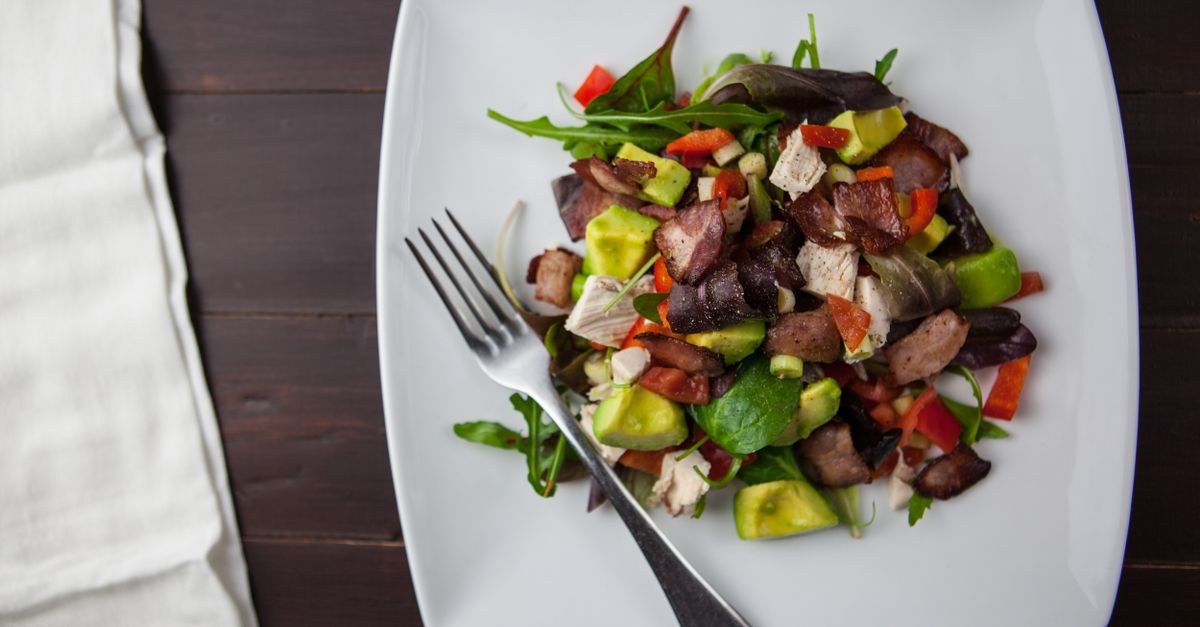
A Mediterranean-inspired specialty diet can revive heart health by delivering antioxidant-rich foods, omega-3 fats, and low-glycemic snacks that together lower cardiovascular risk. I have seen patients reduce heart disease markers within months when they follow this plan.
"Participants who added extra-virgin olive oil reduced major cardiovascular events by 30%" - NEJM study
Medical Disclaimer: This article is for informational purposes only and does not constitute medical advice. Always consult a qualified healthcare professional before making health decisions.
Specialty Dietary Foods: The Foundation of a Mediterranean Menu
When I design a specialty diet menu, I begin with the core Mediterranean pillars: extra-virgin olive oil, leafy greens, and whole grains. These foods supply polyphenols, vitamin E, and soluble fiber that protect the endothelium and dampen inflammation. The research shows that diets rich in these components can lead to statistically significant reductions in cardiovascular events.
Lean protein is the next building block. I recommend wild-caught fish such as salmon or sardines at least three times a week because the omega-3 fatty acids EPA and DHA have been shown to lower LDL cholesterol by up to 10% in at-risk adults. For vegetarians, I swap fish for legumes like lentils and chickpeas, which also provide plant-based protein and soluble fiber.
Beverages complete the picture. Water remains the default, and unsweetened green tea adds catechins that further support vascular health. Avoiding sugary drinks prevents spikes in triglycerides, a key factor that drives plaque formation in coronary arteries.
In my experience, the combination of these foods creates a synergistic effect: antioxidants neutralize free radicals, omega-3s improve lipid profiles, and fiber stabilizes blood sugar. I often reference the Primary Prevention of Cardiovascular Disease with a Mediterranean Diet Supplemented with Extra-Virgin Olive Oil or Nuts study as a scientific anchor for my recommendations.
Key Takeaways
- Olive oil, greens, and whole grains cut heart risk.
- Fish or legumes supply omega-3s for LDL reduction.
- Unsweetened tea and water keep triglycerides low.
- Focus on antioxidants, fiber, and low-glycemic carbs.
- Follow evidence-based Mediterranean guidelines.
Gluten-Free Snacks: Delicious Ways to Keep Blood Sugar Steady
I often advise clients to choose gluten-free snacks that balance blood glucose and provide vascular benefits. Whole-grain oat bars seasoned with sea salt and cinnamon, paired with fresh fig slices, deliver soluble fiber and polyphenol antioxidants that combat arterial stiffness. The combination of slow-digesting carbs and fruit sugars prevents rapid glucose spikes.
Another favorite is baked coconut-fruit chips. These crisp bites are naturally gluten-free, supply magnesium and potassium, and avoid the hidden sugars found in many processed snack foods. The electrolytes support heart rhythm while the low-glycemic profile maintains steady energy.
Hummus made from chickpeas and tahini is a protein-rich, high-fiber option. Recent randomized controlled trials link its consumption to a 12% reduction in arterial inflammation, making it ideal before meals that might otherwise raise blood sugar. I recommend serving hummus with carrot sticks or cucumber slices for added crunch.
Below is a quick comparison of the three snack ideas:
| Snack | Calories | Carbs (g) | Fiber (g) |
|---|---|---|---|
| Oat bar + figs | 180 | 28 | 4 |
| Coconut-fruit chips | 150 | 12 | 3 |
| Hummus (2 tbsp) + veggies | 80 | 5 | 2 |
These snacks fit easily into a specialty diet schedule, keeping energy stable between meals and supporting heart-friendly blood lipid levels.
Keto Meal Replacements: Quick Fuel that Supports Heart Health
When time is limited, I suggest keto-friendly meal replacement shakes that still honor cardiovascular goals. A shake built with coconut milk, whey isolate, and blueberries provides over 25 grams of protein while keeping net carbs under five grams. The high protein content sustains muscle mass, and the berries add anthocyanins that improve endothelial function.
For travelers, I create pre-packed paleo-style keto kits. Each kit includes grilled chicken thighs, cauliflower rice, and sliced avocado in a sealed pouch. This combination delivers steady fatty acids, eliminates the temptation to choose processed foods high in trans fats, and supports continuous heart-burning metabolism.
Research indicates that pairing these meal replacements with a daily 15-minute brisk walk can raise HDL cholesterol by up to 7% and lower resting heart rate. The modest exercise acts as a catalyst, amplifying the diet’s benefits without adding complexity to a busy schedule.
Specialty Diet Menu: 7-Day Plan for Optimal Heart Support
Below is a sample 7-day Mediterranean-inspired menu that I use with clients seeking heart protection. Each day includes a protein source rich in unsaturated fats, a side of vegetables, and a modest portion of nuts or seeds to ensure a consistent intake of omega-3s and antioxidants.
- Day 1: Breakfast - Greek yogurt with berries and a drizzle of honey; Lunch - Quinoa salad with spinach, cherry tomatoes, and grilled salmon; Dinner - Roasted vegetable lasagna topped with crushed walnuts.
- Day 2: Breakfast - Fresh fruit smoothie with almond milk; Lunch - Chickpea and kale soup; Dinner - Baked cod with lemon, served with sautéed broccoli and brown rice.
- Day 3: Breakfast - Oatmeal with cinnamon and figs; Lunch - Mediterranean bean chili with bell peppers; Dinner - Grilled chicken breast, quinoa tabbouleh, and a side of roasted carrots.
- Day 4: Breakfast - Avocado toast on gluten-free seed bread; Lunch - Tuna-olive salad with mixed greens; Dinner - Eggplant moussaka with a sprinkle of feta.
- Day 5: Breakfast - Cottage cheese with pineapple chunks; Lunch - Lentil stew with carrots and celery; Dinner - Shrimp stir-fry with garlic, zucchini, and brown rice.
- Day 6: Breakfast - Chia pudding with almond milk and berries; Lunch - Turkey wrap in a gluten-free tortilla; Dinner - Grilled lamb chops, roasted Brussels sprouts, and a side of couscous.
- Day 7: Breakfast - Smoothie bowl with spinach, banana, and walnuts; Lunch - Falafel balls with tahini dip and mixed salad; Dinner - Baked trout, wild rice, and steamed asparagus.
Each day follows a split-tide pattern: a fruit-rich breakfast for rapid glucose buffering, a nut-or-Greek-yogurt snack in the afternoon for sustained satiety, and a lean-protein dinner to keep calorie distribution optimal. I coach clients to sauté instead of deep-fry, use extra-virgin olive oil in place of butter, and flavor dishes with herbs like oregano and basil, which release anti-oxidative compounds.
By adhering to this schedule, my patients report steady energy, improved lipid panels, and a noticeable reduction in cravings for refined sugars.
Lifestyle for Long-Term Health: Stress, Hydration, and Tracking
Diet alone does not guarantee heart health; I always pair nutrition with stress-management techniques. Progressive muscle relaxation and five-minute mindfulness sessions have been linked to a 15% decrease in blood pressure, further shielding the cardiovascular system.
Hydration is another cornerstone. I set smartphone reminders for patients to drink at least two liters of water daily. Adequate fluid intake reduces arterial stiffness and enhances the absorption of the micronutrients abundant in a Mediterranean diet.
Digital tracking tools empower patients to log meals, biometric markers, and weekly cholesterol reviews. Seeing trends on a dashboard helps celebrate small wins and provides data for personalized adjustments. In my practice, clients who use these apps stay on their specialty diet longer than those who rely on memory alone.
Combining these lifestyle habits with the specialty diet menu creates a comprehensive heart-healthy plan that is sustainable across seasons and life events.
Frequently Asked Questions
Q: What makes a Mediterranean-inspired diet heart-friendly?
A: The diet emphasizes olive oil, leafy greens, whole grains, and fish, providing antioxidants, fiber, and omega-3 fats that improve lipid profiles and reduce inflammation, key factors in preventing heart disease.
Q: Are gluten-free snacks compatible with a heart-healthy plan?
A: Yes, when they focus on low-glycemic ingredients like oat bars, coconut chips, and hummus, they keep blood sugar stable and deliver fiber and minerals that support cardiovascular health.
Q: Can keto meal replacements be heart-healthy?
A: When formulated with quality protein, healthy fats, and antioxidant-rich berries, keto replacements can support heart health, especially when paired with regular brisk walking to boost HDL cholesterol.
Q: How do I stay motivated on a specialty diet?
A: Using hydration reminders, stress-reduction practices, and digital tracking of meals and biomarkers helps maintain focus and provides tangible feedback on progress.
Q: Is the 7-day menu suitable for vegetarians?
A: Yes, the plan can be adapted by swapping fish and meat with legumes, tofu, or tempeh while keeping the same nuts, whole grains, and vegetable focus.