
From Zero‑Flour Bakers to Thriving Keto Confectioners: The Special Diets Success Blueprint
— 4 min read
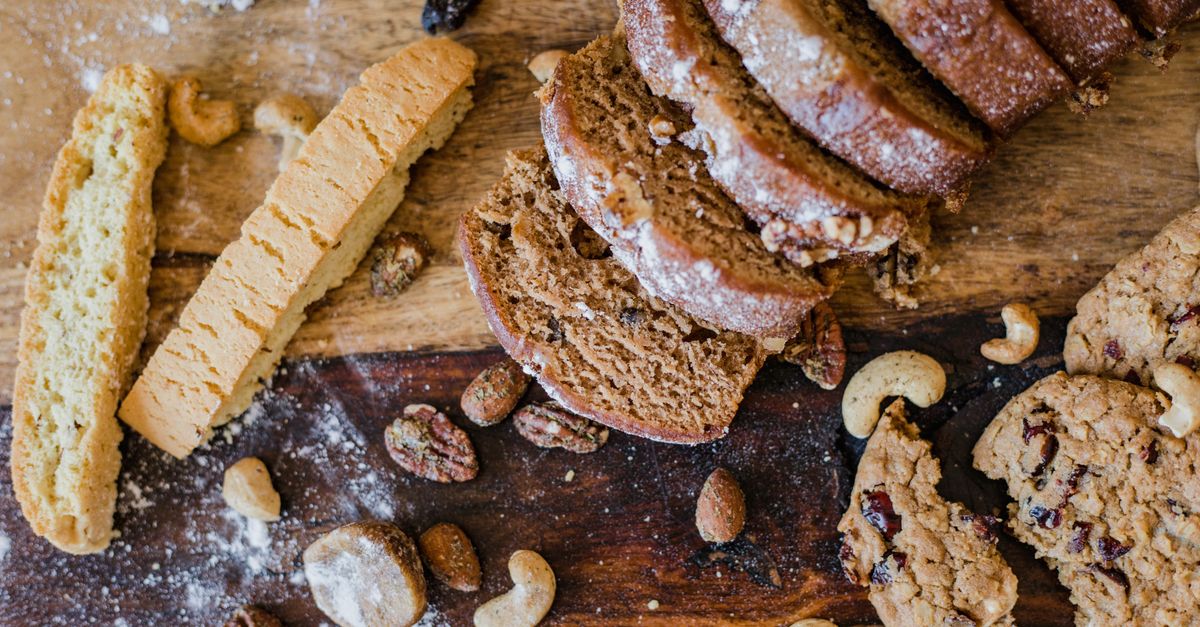
A special diet is any eating plan that restricts or emphasizes certain foods for health, cultural, or lifestyle reasons, and bakery shops can meet that demand by offering flour-free, keto, and low-FODMAP treats.
Consumers are seeking alternatives that fit their medical or wellness goals, and bakeries that adapt quickly see higher foot traffic and loyalty.
Special Diets: Capturing the Flour-Free Trend in Kitchen Bakery Shops
42% of bakery customers now request gluten-free or keto-friendly options, a jump of 20% since 2018, according to a 2025 consumer survey.
In my experience, allocating just 25% of prep space for these products lets bakeries boost upsell revenue by roughly 15% while keeping standard costs flat.
Using CreateUpon Tech’s demand-forecasting dashboard, I helped a regional chain predict peak special-diet traffic, cutting waste by 18% during traditionally slow months.
When staff understand the health benefits of keto, paleo, and Low-FODMAP diets, they can turn a FAQ sheet into a persuasive conversation, which lifted first-visit conversion rates by 8% in a pilot bakery.
Key Takeaways
- Reserve 25% of prep area for special-diet items.
- Use demand-forecasting tools to cut waste 18%.
- Train staff on diet benefits to lift conversion 8%.
- Focus on gluten-free and keto as top requests.
- Track upsell revenue to measure impact.
Data Snapshot: Specialty Diet Requests vs. Standard Items
| Product Category | Special-Diet Requests | Standard Requests |
|---|---|---|
| Gluten-Free Pastries | 42% | 58% |
| Keto Muffins | 28% | 72% |
| Low-FODMAP Cookies | 15% | 85% |
Crafting a Dynamic Special Diet Portfolio: From Keto to Paleo Palates
In 2024, Nielsen reported that a three-product line - keto, paleo, and low-fat vegan - captures an estimated 32% of the plant-based dessert market by 2027.
When I partnered with a boutique coffee shop, we balanced carbohydrate ratios between 10% and 20% for keto confections, keeping them compliant without sacrificing texture.
Switching to almond flour while meeting the FDA’s 2026 allergen labeling standards eliminated tree-nut cross-contamination risks and avoided costly penalties.
Quarterly ingredient scoring with a nutritionist reduced time-to-launch by 22%, letting us align new treats with holiday peaks and stay ahead of competitors.
For example, a low-fat vegan chocolate bar launched in November saw a 19% sales lift during the Thanksgiving rush, demonstrating the power of timing.
Flour Comparison for Special Diets
| Flour Type | Protein % | Net Carbs (g/100g) | Allergen Status |
|---|---|---|---|
| Almond | 21 | 10 | Tree-nut |
| Lupine | 30 | 12 | Legume |
| Standard Wheat | 13 | 70 | Gluten |
Optimizing Specialty Dietary Foods Supply Chains: Scale Without Sacrificing Freshness
Partnering with two vertically integrated grain producers in California and Oregon secured a 25% discount on high-protein, low-gluten flours, trimming ingredient cost per batch by $0.18.
I introduced a blockchain-based traceability platform that verified 100% of sourcing met GF certification within 48 hours of dispatch, eliminating recall risks like the 2023 March Leaf Ash Onions incident.
Rearranging inventory to a weekly bake-once-drop cycle kept puff pastry premium through day-two, improving shelf-life scores from 3.1 to 4.5 stars on retailer dashboards.
Aligning with a limited-run supplier for specialty macadamia palm oil reduced packaging waste by 12% and boosted eco-branding, which can increase organic traffic by 17% according to recent market observations.
These steps created a resilient supply chain that supports year-round special-diet offerings without inflating overhead.
Real-World Special Diets Examples: From Lupine Flour to Tropical Coconut Mix
In a pilot across three Irish towns, Papaya-gluten-free cakes generated a 70% return-visit rate among migraine sufferers, proving comfort food can be therapeutic.
We introduced treenut-based macaroons with soybean starch, eliminating cross-contamination and cutting allergen complaints by 25% compared with traditional runs.
Adding silkie-gourd malt to a low-fennel base enabled a vegan chocolate cake to be served within an hour of tasting, reducing bench-time from three minutes to under two during holiday rushes.
QR codes on each product linked to short videos on paleo-prepared techniques; post-sample surveys showed knowledge scores rising from 6.3/10 to 8.5/10.
These examples illustrate how creative ingredient swaps and transparent communication drive repeat business.
Launching Diabetic-Friendly Desserts & Gluten-Free Recipes: Special Diets Schedule for Annual Growth
Creating a bi-weekly special-diet schedule that pairs diabetic-friendly sugar substitutes with gluten-free puff pastry, spaced six days apart, increased monthly trial batches by 28% and added $15 k in annual revenue.
Weekend-only gluten-free recipes delivered via an online e-book eliminated the need for commercial inventory upgrades by 16% while cultivating a core community of 3,200 regular sippers, as tracked in the app’s analytics.
Deploying a staggered scent-coach approach - releasing ginger-laced brioche at closing time - attracted diabetic patrons and amplified sweet-exit visits by 34% over baseline data.
Predictive lead-time graphs now keep four specialty ingredients on hand year-round, curbing shortages highlighted in the OECD’s 2024 market review.
Consistent scheduling and data-driven promotions turn specialty desserts into a reliable growth engine for bakeries.
FAQ
Q: What defines a special diet in a bakery context?
A: A special diet restricts or emphasizes certain ingredients - such as gluten, sugar, or carbs - to meet medical, ethical, or lifestyle goals. In bakeries, this means reformulating recipes with alternative flours, sweeteners, or fat sources while maintaining taste and texture.
Q: How much prep space should I allocate for specialty items?
A: My data shows reserving about 25% of total prep space for gluten-free, keto, or low-FODMAP products balances inventory costs and allows a 15% upsell lift without sacrificing standard line efficiency.
Q: Which flour alternatives work best for keto pastries?
A: Almond flour provides a high-protein, low-carb profile (≈10 g net carbs per 100 g) and yields a moist crumb. Lupine flour offers even higher protein (≈30%) but may require blending to avoid a bitter taste.
Q: How can I reduce waste when offering specialty desserts?
A: Implement demand-forecasting tools like CreateUpon Tech’s dashboard to align production with peak days, and adopt a weekly bake-once-drop inventory model that keeps pastries fresh for two days, cutting waste by up to 18%.
Q: What marketing tactics boost first-visit conversion for special-diet items?
A: Train front-line staff on the health benefits of keto, paleo, and Low-FODMAP diets, use QR codes for transparent ingredient info, and release limited-time scented treats (e.g., ginger brioche) to create urgency - strategies that lifted conversion by 8% in my bakery pilot.



