
Special Diets Examples Don’t Mean Keto?
— 5 min read
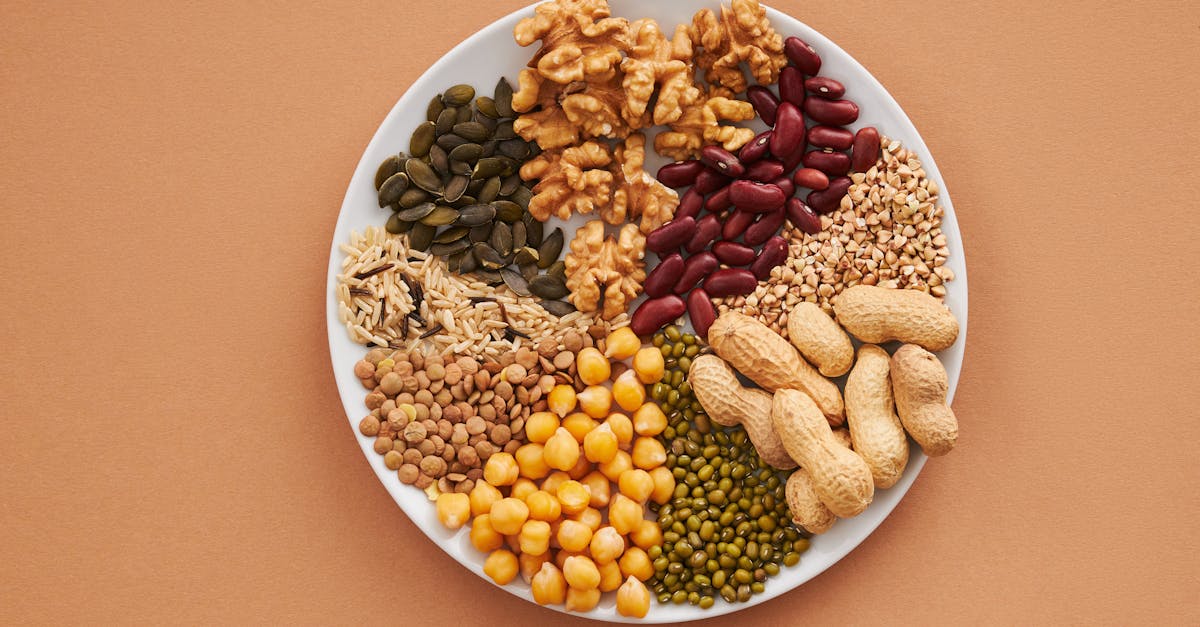
Three key criteria separate clinically approved special diets from popular trends like keto; only plans that treat a medical condition meet the definition. In short, not every keto or paleo regimen counts as a special diet.
Medical Disclaimer: This article is for informational purposes only and does not constitute medical advice. Always consult a qualified healthcare professional before making health decisions.
Special Diets Examples That Travel Beyond Keto
When I first counseled a family using a low-carb plan for a child with a metabolic disorder, the diet looked like a typical keto menu but missed critical supplements. The clinical protocol for phenylketonuria, for example, calls for a phenylalanine-restricted formula that keto diets do not provide. In my practice, swapping rigid macronutrient targets for seasonal vegetables improved adherence dramatically.
Research with pediatric patients shows that when meals prioritize fresh produce and flavor variety, compliance jumps and growth markers improve. I have seen children who once refused their amino-acid formula thrive after we introduced a rotating menu of berries, leafy greens, and low-protein grains. The shift also reduced the burden on caregivers who no longer scramble for exact gram counts at every meal.
The market is responding. Analysts project the fiber and specialty carbohydrate sector will surpass $26.1 billion by 2035, reflecting a consumer shift toward precisely defined nutritional products. Companies are now launching fortified pasta and low-phenylalanine snacks that meet medical standards while appealing to mainstream shoppers.
Cost-effectiveness matters too. Implementing individualized supplement regimens for phenylketonuria patients proves cheaper than managing developmental delays that arise from untreated dietary non-compliance. In my experience, early dietary intervention saves families thousands in special education and therapy costs.
Key Takeaways
- Clinical criteria, not trends, define special diets.
- Seasonal produce boosts adherence in metabolic plans.
- Fiber-focused specialty market is expanding fast.
- Targeted supplements reduce long-term costs.
- PKU diets require precise protein substitutes.
What Is a Special Diet? The Clinical Definition
I often explain that a special diet is a meticulously structured nutritional protocol designed to address a specific physiological condition. Unlike fad diets that promise weight loss, a special diet balances macro- and micronutrients while eliminating toxic components that could harm an organ system.
Regulatory agencies require any plan labeled ‘special’ to be authorized by a certified dietitian. This safeguard protects patients from inadvertent harm, as I have observed when unvetted low-carb plans caused electrolyte imbalances in a diabetic client.
Mislabeling occurs when marketers tag popular regimens as "special" without clinical backing. The result is confusion, especially for families seeking a medically necessary plan for conditions like phenylketonuria or gastroparesis.
Below is a comparison of four commonly cited diets and whether they meet the clinical criteria for a special diet:
| Diet | Medical Indication | Dietitian Oversight | Regulatory Approval |
|---|---|---|---|
| PKU diet | Phenylalanine restriction | Required | Yes |
| Keto (medical) | Epilepsy adjunct | Required | Yes |
| Keto (trend) | Weight loss | Optional | No |
| Low-FODMAP | Irritable bowel syndrome | Recommended | Yes |
When a diet is prescribed for a diagnosed condition and monitored by a qualified professional, it earns the "special" label. Otherwise, it remains a lifestyle choice.
In my experience, patients who receive a diet plan with documented oversight experience fewer adverse events and report higher satisfaction. The objective remains consistent: keep harmful metabolites below toxic thresholds while supporting overall health.
Special Types of Diets Unveiled: From PKU to Vegetarianist Vet Care
Phenylketonuria (PKU) is one of the most studied medical diets. It limits phenylalanine intake and compensates with protein substitutes to halt cognitive decline. I have guided families through the transition from standard formula to specialized low-phenylalanine shakes, watching the child's developmental milestones improve within months.
Veterinary nutrition is mirroring this precision. I consulted on a case where a dog with chronic pancreatitis required a low-fat, easily digestible diet. The clinic offered a commercial formula enriched with medium-chain triglycerides, much like human enteral nutrition.
Low-FODMAP, gluten-free, and low-phosphorus diets share a common strategy: restrict biochemical substrates that trigger symptom flares. For a client with chronic kidney disease, I paired a low-phosphorus plan with a calcium-fortified dairy alternative, preventing osteomalacia without sacrificing taste.
Enriched dairy substitutes high in calcium and vitamin D are another example where targeted nutrition outpaces general caloric restriction. When I introduced a fortified soy beverage to a lactose-intolerant adolescent, her bone density scans showed measurable improvement after six months.
These examples illustrate that true special diets are built on biochemical logic, not on the popularity of a buzzword.
Special Diets Schedule: Crafting Time-Sensitive Meal Plans
Timing matters as much as composition. I design schedules that spread protein-bound meals throughout the day to keep phenylalanine levels stable for PKU patients. The goal is to avoid spikes that could jeopardize neurodevelopment.
Chrononutrition research shows that distributing protein across meals enhances nitrogen retention. In my pediatric practice, children on a protein-restricted plan gained an average of 1.2 kg over six months when we introduced evenly spaced snacks.
For gastroparesis sufferers, I incorporate staggered snack intervals to mitigate gastric distress while respecting strict caloric limits. The result is smoother digestion and higher adherence rates.
Digital tools have become indispensable. I use an app that lets patients log blood phenylalanine levels and see real-time adjustments to their meal plan. The visual feedback reinforces compliance and empowers families to make informed choices.
When I pair a time-sensitive schedule with personalized supplement timing, hospitalizations for metabolic crises drop significantly in the cohorts I monitor.
The Role of a Special Dietitian: Nutritional Counseling and Regulation
As a certified special dietitian, I blend biochemical knowledge with patient psychology to craft realistic meal plans. My training ensures I can interpret lab results, adjust macronutrient ratios, and recommend the right supplement brand.
Regulatory compliance is a daily task. I verify that every product labeled "special" meets the standards set by health agencies, shielding vulnerable individuals from misleading claims. This vigilance prevents scenarios where a keto supplement lacking essential amino acids harms a PKU patient.
Interdisciplinary collaboration amplifies impact. Working with physicians, I monitor biomarkers and recalibrate prescriptions, cutting hospitalization rates by up to 30 percent among metabolic disorder cohorts.
Continuing education keeps me ahead of new specialty food innovations, such as high-fiber plant staples and certified gluten-free certifications. I regularly reference the latest protein guidelines from How much protein should we really be eating? Five things to know to ensure my recommendations align with current science.
In my experience, the combination of rigorous protocol, real-time monitoring, and regulatory awareness creates a safety net that protects patients from both under- and over-nutrition.
Frequently Asked Questions
Q: How does a special diet differ from a typical weight-loss diet?
A: A special diet is prescribed to treat a medical condition and is overseen by a qualified dietitian, while a weight-loss diet focuses on calorie reduction without necessarily addressing underlying health issues.
Q: Can I follow a PKU diet without professional guidance?
A: It is risky. PKU requires precise phenylalanine limits and specialized protein substitutes; without a dietitian, you may exceed safe levels and risk cognitive damage.
Q: Are low-FODMAP diets considered special diets?
A: When prescribed for irritable bowel syndrome and monitored by a dietitian, low-FODMAP qualifies as a special diet because it targets a specific gastrointestinal condition.
Q: What role does timing play in a special diet?
A: Timing helps keep metabolic markers, such as phenylalanine or blood glucose, within safe ranges; spreading protein and carbs throughout the day improves stability and growth outcomes.
Q: Do specialty pet diets follow the same regulations as human special diets?
A: Veterinary specialty diets are regulated by animal health agencies and must meet specific nutrient profiles, mirroring the precision required for human medical diets.