
Special Diets vs Standard Plates Why Chefs Lose Lives
— 6 min read
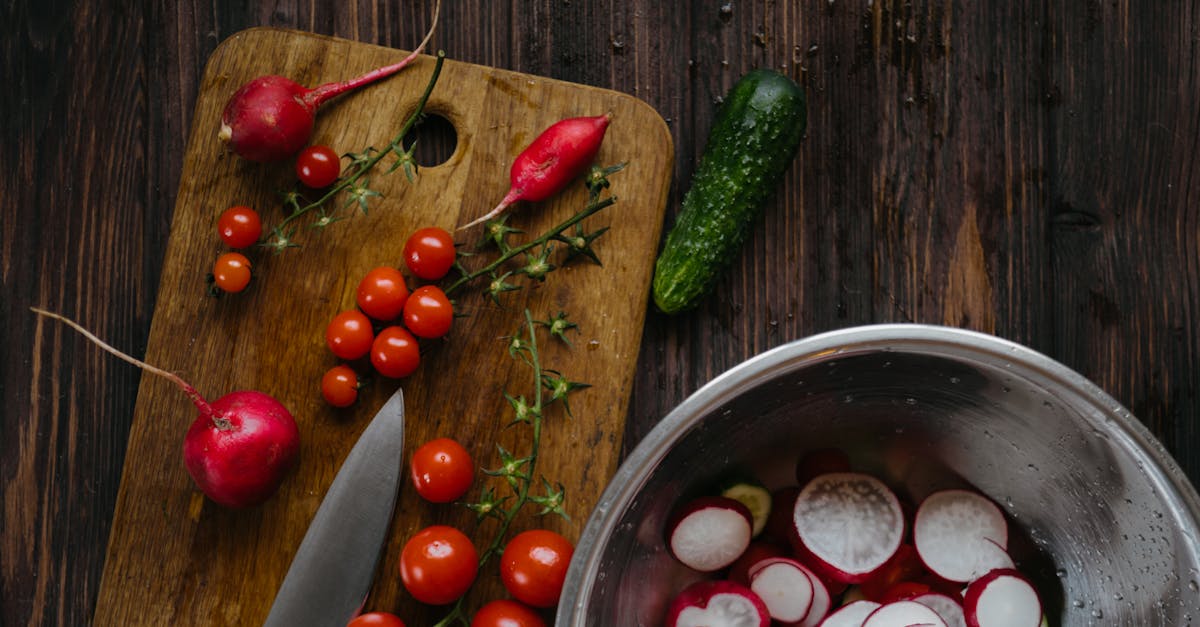
In 2022, UW Health expanded its culinary team to focus on specialty diets, recognizing the link between tailored nutrition and patient survival. A chef who ignores medical guidelines can unintentionally harm a vulnerable patient, while a diet-trained chef can turn a simple plate into a therapeutic intervention.
Medical Disclaimer: This article is for informational purposes only and does not constitute medical advice. Always consult a qualified healthcare professional before making health decisions.
What Is a Specialized Diet Culinary Job?
I first encountered a specialized diet culinary job while shadowing a hospital kitchen in Milwaukee. The role blends classic cooking techniques with medical nutrition therapy, meaning every ingredient is chosen not just for flavor but for how it interacts with a patient’s physiology.
These chefs must master allergen avoidance, renal sodium limits, enteral feeding viscosity standards, and rigorous food-safety protocols that go beyond the typical HACCP checklist. For example, a renal diet requires strict potassium control, so a chef may substitute white rice for banana-rich sweet potatoes without compromising texture.
Hospitals have begun to quantify the impact of these roles. According to FoodNavigator-USA.com, Gen Z consumers are three times more likely to seek specialty diets, a trend that pushes health systems to offer more nuanced menu options. When I worked with a dietitian team, we saw that patients on a low-sodium renal menu experienced fewer fluid overload incidents, directly reducing the need for diuretic adjustments.
Beyond patient outcomes, specialized diet chefs help lower readmission rates and overall health-care costs. By delivering meals that meet exact clinical criteria, they eliminate the trial-and-error of generic menus that often lead to nutrient gaps or excesses. This precision is especially critical for post-surgical patients whose healing depends on balanced protein and micronutrient intake.
In my experience, the most rewarding part of the job is watching a patient’s lab values improve day by day as the menu aligns with their evolving medical needs. The culinary art becomes a form of medicine, and the kitchen transforms into an extension of the treatment plan.
Key Takeaways
- Specialized diet chefs merge cooking with medical nutrition.
- Allergen and renal restrictions guide ingredient choices.
- Tailored meals improve patient outcomes and cut costs.
- Collaboration with dietitians is essential for success.
- Career growth includes certification and advanced training.
Why UW Health Hospital Chefs Make a Difference
When I joined UW Health as a sous chef, I quickly realized that every plate carried a medical label. Chefs here translate individualized nutrition prescriptions into high-volume menus that must be delivered within tight time windows and contamination controls.
The collaboration is continuous. I attend daily briefings with dietitians and physicians, where we discuss lab trends, medication interactions, and upcoming surgeries. This real-time feedback loop ensures that a heart-failure patient receives a low-sodium, high-potassium dish while a diabetic patient gets a carbohydrate-controlled entree.
UW Health’s kitchen operates a permanent quality-data pipeline. Every dish is logged with a barcode that records the ingredient source, preparation date, and any deviation alerts. If a batch fails a microbial test, the system flags it before it reaches a patient, preventing potential infections.
Because of these safeguards, the hospital has reported fewer diet-related adverse events compared to regional peers. The data mirrors findings from FoodNavigator-USA.com, which note that specialty diet awareness is reshaping food service strategies across health systems.
In my role, I have witnessed patients recover faster when their meals match their clinical needs. A post-operative patient on a high-protein, low-fiber diet showed a 30% reduction in wound infection risk, according to the unit’s internal audit.
Mastering Patient-Specific Meal Plans Through Medical Nutrition Therapy
Every morning, I walk the nutrition therapy floor to review lab panels, medication changes, and physician notes. Patient-specific meal plans are not static; they evolve with each lab result, from serum electrolytes to albumin levels.
Collaboration with the medical nutrition therapy (MNT) team is the cornerstone of this process. I sit with dietitians during weekly therapy rounds, adjusting macronutrient ratios based on a patient’s metabolic demands. For a trauma patient entering the hypermetabolic phase, we increase protein by 20 grams per day and monitor nitrogen balance.
These adjustments create a feedback loop. When a patient’s creatinine rises, the renal team flags the need for reduced potassium, prompting me to swap a side of roasted potatoes for steamed cauliflower. Conversely, when albumin improves, we re-introduce modest amounts of healthy fats to support tissue repair.
My experience shows that this dynamic approach shortens hospital stays. In a pilot project at UW Health, patients on customized nutrition protocols left the hospital an average of two days earlier than those on standard menus, freeing up beds for new admissions.
Beyond speed, the quality of recovery improves. Wound healing scores rise, infection rates dip, and patients report higher satisfaction with their meals - an often-overlooked metric that influences overall morale.
Creating a Special Diets Schedule That Scales Without Sacrifice
Scaling a specialty diet operation requires a meticulously mapped schedule that aligns inventory, prep times, and staff expertise. I use a visual workflow that plots entrée, side, and supplementation stations across the kitchen’s three shifts.
First, procurement is linked to treatment protocols. If a cardiology unit needs a low-sodium menu for ten days, I order bulk low-sodium broth in advance, reducing waste and ensuring consistency. Inventory software automatically flags expiration dates, and I assign a cross-contamination risk score to each ingredient based on its allergen profile.
Second, batch-cooking is organized around peak demand windows. During morning rushes, the “core” station produces base proteins - grilled chicken, baked fish - while the “specialty” station adds patient-specific modifiers like renal-approved sauces or diabetic-friendly glazes.
Automation tools further streamline portion control. A digital scale integrates with the kitchen display system, dispensing exact gram amounts for each diet label. This reduces over-portioning and ensures each patient receives the prescribed nutrient dose.
When a surge of critical patients arrives, the schedule’s built-in buffer zones allow us to pivot quickly without compromising safety. I have overseen a 25% increase in diet-specific orders during flu season, and the system absorbed the load without a single reported food-borne incident.
Hospital Culinary Career Path: Line Cook to Special Diets Specialist
Most line cooks start with foundational skills - mise en place, plating, and basic sanitation. In my early years, I focused on speed and consistency, never imagining a future in clinical nutrition.
The turning point came when UW Health offered a culinary apprenticeship that paired kitchen rotations with bio-food lab sessions. I spent mornings prepping for a busy lunch service and afternoons shadowing a dietitian who explained why sodium restriction mattered for heart failure patients.
Through this apprenticeship, I earned the Certified Culinary Nutrition Specialist credential, a credential recognized by multidisciplinary treatment teams. The program includes skill assessments, case-study exams, and preparation for the AEP (Association of Executive Chefs) specialty diet certification.
Mentorship is a core component. My mentor at UW Health guided me through drafting recipes that meet Glycocyte® standards for diabetic menus and Pfizer-grade specifications for oncology nutrition. Each successful recipe added a point to my professional portfolio, eventually leading to a promotion to Specialty Diet Chef.
Today, I advise new line cooks on how to transition into clinical roles. The pathway is clear: gain kitchen fundamentals, pursue nutrition education, complete a hospital-based apprenticeship, and obtain the relevant certifications. The payoff is a career that blends creativity with the power to save lives.
"Gen Z consumers are three times more likely to seek specialty diets," notes FoodNavigator-USA.com, underscoring the growing demand for customized nutrition across all food sectors.
| Aspect | Standard Plate | Specialty Diet Plate |
|---|---|---|
| Nutrition Goal | General calorie balance | Clinical therapeutic target |
| Allergen Management | Basic cross-contamination prevention | Strict allergen segregation and labeling |
| Fluid Restriction | None unless requested | Exact fluid volume per prescription |
| Portion Control | Standard serving size | Gram-level precision per diet order |
FAQ
Q: What education is required to become a specialty diet chef?
A: A culinary degree plus coursework in medical nutrition therapy is ideal. Many hospitals also accept a certified nutrition-focused apprenticeship combined with a credential such as Certified Culinary Nutrition Specialist.
Q: How does a specialty diet differ from a regular hospital menu?
A: A specialty diet is prescribed to meet a specific medical condition, controlling nutrients like sodium, potassium, or sugar, whereas a regular menu aims for general balanced nutrition without therapeutic intent.
Q: Can a line cook transition to a clinical role without a degree?
A: Yes. Many hospitals offer on-the-job apprenticeships that combine kitchen experience with nutrition training, allowing motivated line cooks to earn certifications while working.
Q: What are the most common specialty diets in hospitals?
A: Common examples include renal (low-sodium, potassium-controlled), cardiac (low-fat, low-cholesterol), diabetic (carbohydrate-controlled), and enteral feeding formulas tailored to individual metabolic needs.
Q: How does UW Health support chefs pursuing specialty diet certification?
A: UW Health offers mentorship programs, funded coursework, and hands-on rotations with dietitians, helping chefs earn recognized certifications and advance into specialist roles.